Evolution of Upgrade Systems
The evolution of upgrade system design in games reflects a broader shift in how developers approach player motivation and long-term engagement. Early implementations were often simple, offering linear improvements that directly increased power or efficiency. Over time, however, these systems became more nuanced, integrating deeper layers of decision-making that connect closely with character progression and overall game structure.
In many early game models, the upgrade system was tightly bound to the leveling system, where each level gained automatically translated into stronger stats or new abilities. This created a straightforward loop where character progression was predictable and easy to understand. While effective, it often limited player agency, as choices were minimal and progression followed a fixed path.
As game design matured, the upgrade system began to separate from the leveling system, allowing for more flexible development paths. Instead of purely automatic growth, players were given resources to allocate, encouraging strategic thinking. This shift made character progression more personal, as players could shape their identity through different upgrade choices rather than following a universal template.
Modern designs often blend upgrade system mechanics with multiple progression layers. The leveling system still provides structure and pacing, but upgrades now introduce customization and specialization. This combination allows character progression to feel both guided and expressive, balancing consistency with freedom. Players are no longer just advancing; they are defining how they advance.
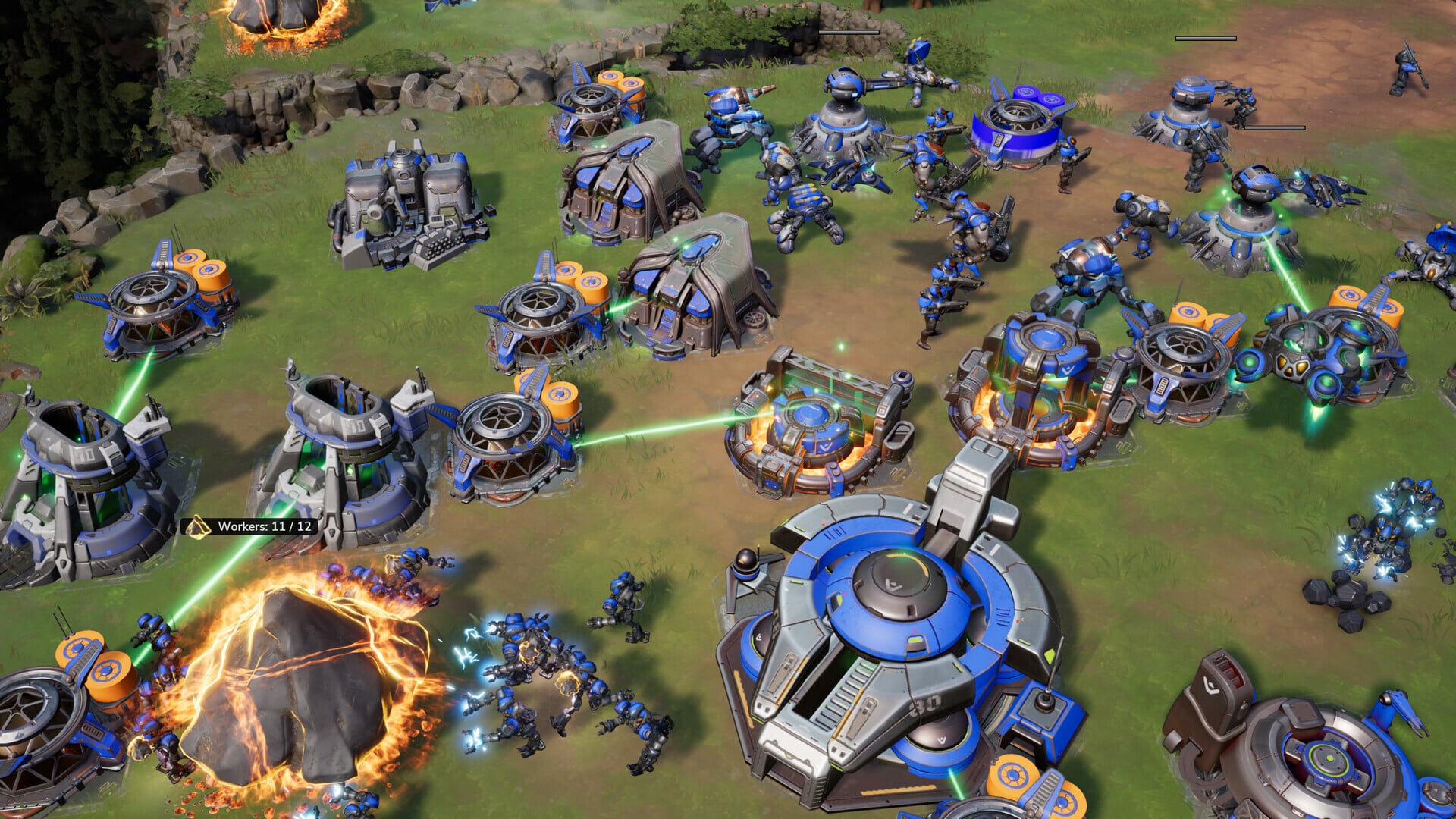
Another significant evolution is the integration of upgrade system logic into base building mechanics. Instead of focusing only on individual attributes, players can invest in structures, tools, or environments that support long-term strategy. Base building extends character progression beyond the avatar itself, turning progression into a broader system of world interaction. This creates a stronger sense of ownership and permanence within the game.
In many contemporary games, the upgrade system also interacts dynamically with the leveling system to create branching progression paths. Some upgrades may unlock only after specific milestones, while others alter the speed or efficiency of leveling itself. This interdependence makes character progression more complex and layered, encouraging experimentation and long-term planning.
The most recent trend in upgrade system design focuses on meaningful trade-offs. Instead of simply increasing power, upgrades often come with advantages and limitations, forcing players to think carefully about their direction. This directly influences character progression by making each decision impactful, while the leveling system continues to provide structure and rhythm to overall growth.
Base building further expands this evolution by adding spatial and strategic depth to upgrade systems. Players may choose to prioritize infrastructure over personal strength, or balance both depending on their approach. In this way, base building becomes another expression of upgrade system philosophy, where character progression is no longer confined to the individual but distributed across a growing ecosystem.
Overall, the evolution of upgrade system design shows a clear movement toward complexity, flexibility, and player expression. By integrating with character progression, leveling system frameworks, and base building mechanics, modern games create interconnected systems that support diverse playstyles and long-term engagement.