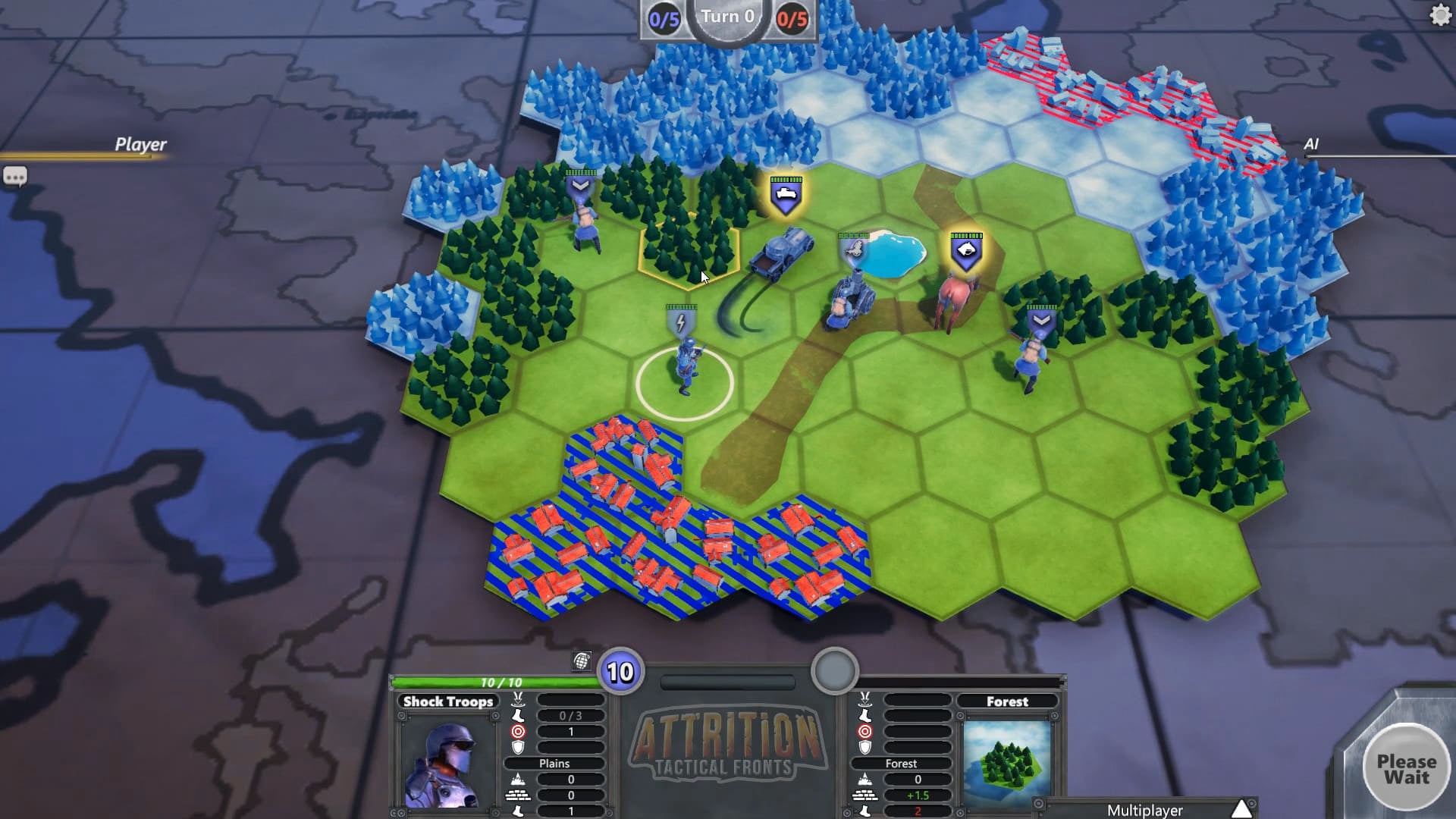
Leveling System Balance Study
Balancing a leveling system is one of the most critical aspects of designing long-term engagement in games, because it directly affects how players experience character progression. When the leveling system is too fast, character progression loses meaning; when it is too slow, players may feel blocked. Designers must therefore carefully tune the rhythm so that each stage of character progression feels earned and motivating. In many modern games, this balance is supported by an underlying upgrade system that adjusts power growth without breaking pacing, while base building systems often extend long-term goals beyond individual levels.
A well-balanced leveling system also defines how difficulty scales over time, ensuring that character progression aligns with increasing challenges. If enemies or obstacles do not scale properly, even a well-designed upgrade system can feel ineffective, as players either become too powerful too quickly or struggle without reward. This is why designers often link leveling system curves with upgrade system availability, allowing character progression to feel smooth and controlled. In some cases, base building is used as an additional balancing layer, giving players alternative ways to progress without relying solely on direct combat or experience gain.
Another important factor in leveling system balance is player choice, which heavily influences character progression paths. When players can decide how to allocate resources through an upgrade system, balancing becomes more complex but also more engaging. Different builds can lead to different pacing in the leveling system, meaning character progression is no longer linear but adaptive. Base building adds another dimension to this structure, since investing in infrastructure can indirectly influence how quickly or efficiently players move through levels.
In many games, designers introduce soft caps and diminishing returns to maintain leveling system balance over time. These mechanics ensure that character progression does not become exponential and uncontrollable. Instead, the upgrade system gradually shifts focus from raw power increases to specialized improvements. This encourages deeper engagement with character progression choices, while base building often becomes a parallel progression track that supports long-term sustainability rather than immediate power growth.
Ultimately, leveling system balance is about maintaining harmony between challenge, reward, and player agency. A strong upgrade system ensures that character progression feels meaningful at every stage, while base building provides additional depth and persistence beyond individual levels. When these systems work together, the leveling system becomes more than a numerical framework—it becomes a carefully tuned experience that supports exploration, strategy, and long-term engagement.