
Exploring growth systems in modern games and worlds
Non-commercial blog from Brasil focused on character progression, upgrade system, leveling system, base building in games analysis and discussion.
Non-commercial blog from Brasil focused on character progression, upgrade system, leveling system, base building in games analysis and discussion.
I’m a researcher and gamer based in Brasil who studies how interactive systems shape player experience across different genres. My focus is on understanding how character progression influences long-term engagement and decision-making in virtual worlds. I also analyze how upgrade system design affects balance and pacing, especially in games that rely on gradual improvement loops.
A big part of my work revolves around leveling system structures and how they guide players through challenges, rewards, and skill development. I am equally interested in base building mechanics, since they often connect strategic thinking with creativity and long-term planning.
This blog is not commercial and exists purely as a space for structured observation and discussion about game design principles. Through careful breakdowns of character progression, upgrade system logic, leveling system flow, and base building mechanics, I aim to build a clearer understanding of how games evolve player behavior over time.

We break down how character progression influences player behavior and motivation across genres. Our approach studies upgrade system design as a structural foundation of balance, while also examining leveling system pacing and how it affects difficulty curves. Base building is analyzed as a long-term system of strategy and identity formation within games.

We compare different game types to understand how character progression adapts across genres. The upgrade system is reviewed in both casual and complex environments, while leveling system mechanics are studied for consistency and variation. Base building is included as a flexible mechanic that changes meaning depending on context.
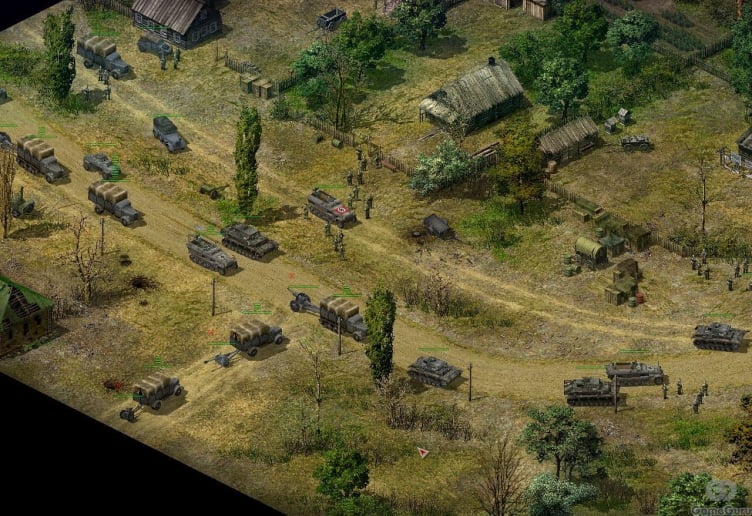
We focus on how players experience character progression in real gameplay situations. The upgrade system is interpreted through decision-making impact, and leveling system flow is evaluated through engagement patterns. Base building is viewed as a personal expression of long-term investment and creativity.
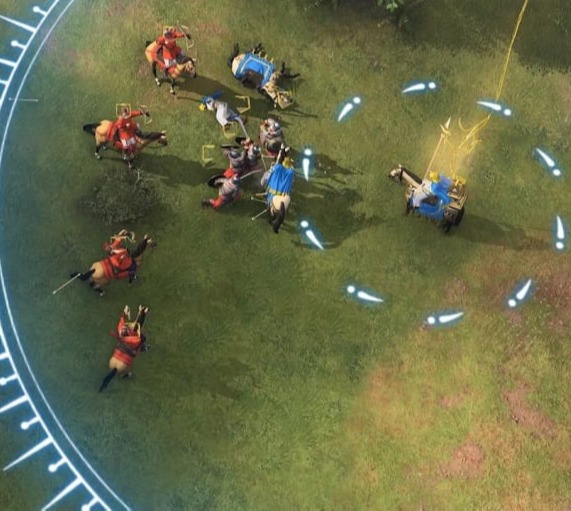
Our mission is to explore how interactive systems define the way players grow, adapt, and build within games. We focus on character progression as a core driver of motivation, while examining how upgrade system design shapes meaningful choices.
We also study leveling system structures to understand pacing, difficulty curves, and reward timing. Alongside this, base building is treated as a long-term expression of player identity and strategy.
Based in Brasil, this project brings together observations from global gaming culture to better understand how character progression interacts with upgrade system mechanics, how leveling system frameworks maintain engagement, and how base building supports creativity and persistence.

Character progression is one of the most defining elements in modern game structure because it shapes how players perceive growth, mastery, and long-term engagement. Across different genres, designers use character progression to create a sense of direction, ensuring that every action contributes to a larger sense of development. When implemented well, it becomes the invisible framework that supports motivation without forcing it.
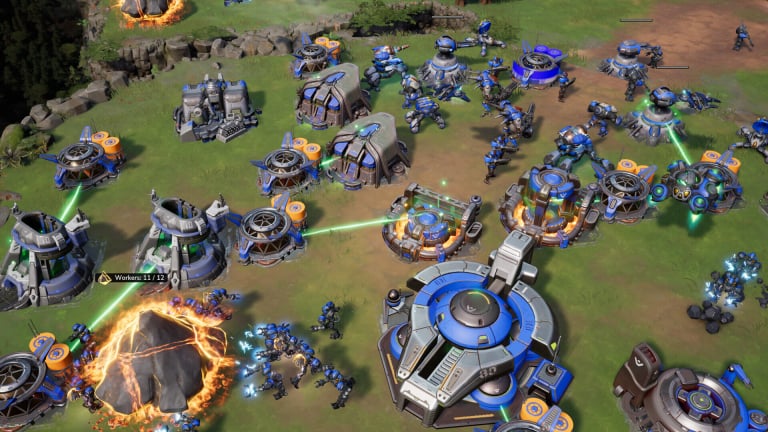
The evolution of upgrade system design in games reflects a broader shift in how developers approach player motivation and long-term engagement. Early implementations were often simple, offering linear improvements that directly increased power or efficiency. Over time, however, these systems became more nuanced, integrating deeper layers of decision-making that connect closely with character progression and overall game structure.
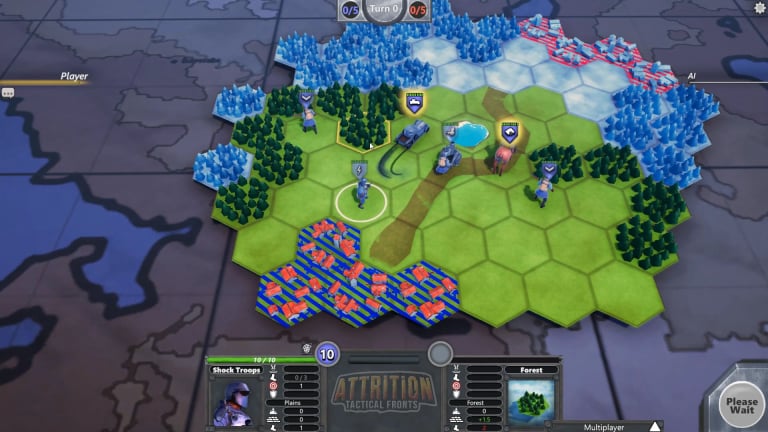
Balancing a leveling system is one of the most critical aspects of designing long-term engagement in games, because it directly affects how players experience character progression. When the leveling system is too fast, character progression loses meaning; when it is too slow, players may feel blocked. Designers must therefore carefully tune the rhythm so that each stage of character progression feels earned and motivating.

Strategic base building mechanics have become an essential extension of modern game design because they transform progression from an individual journey into a persistent, structured environment. In many games, base building is deeply connected to character progression, where each improvement in skills or resources directly influences how efficiently players can expand and optimize their base. This creates a layered system where the upgrade system supports both personal development and structural growth
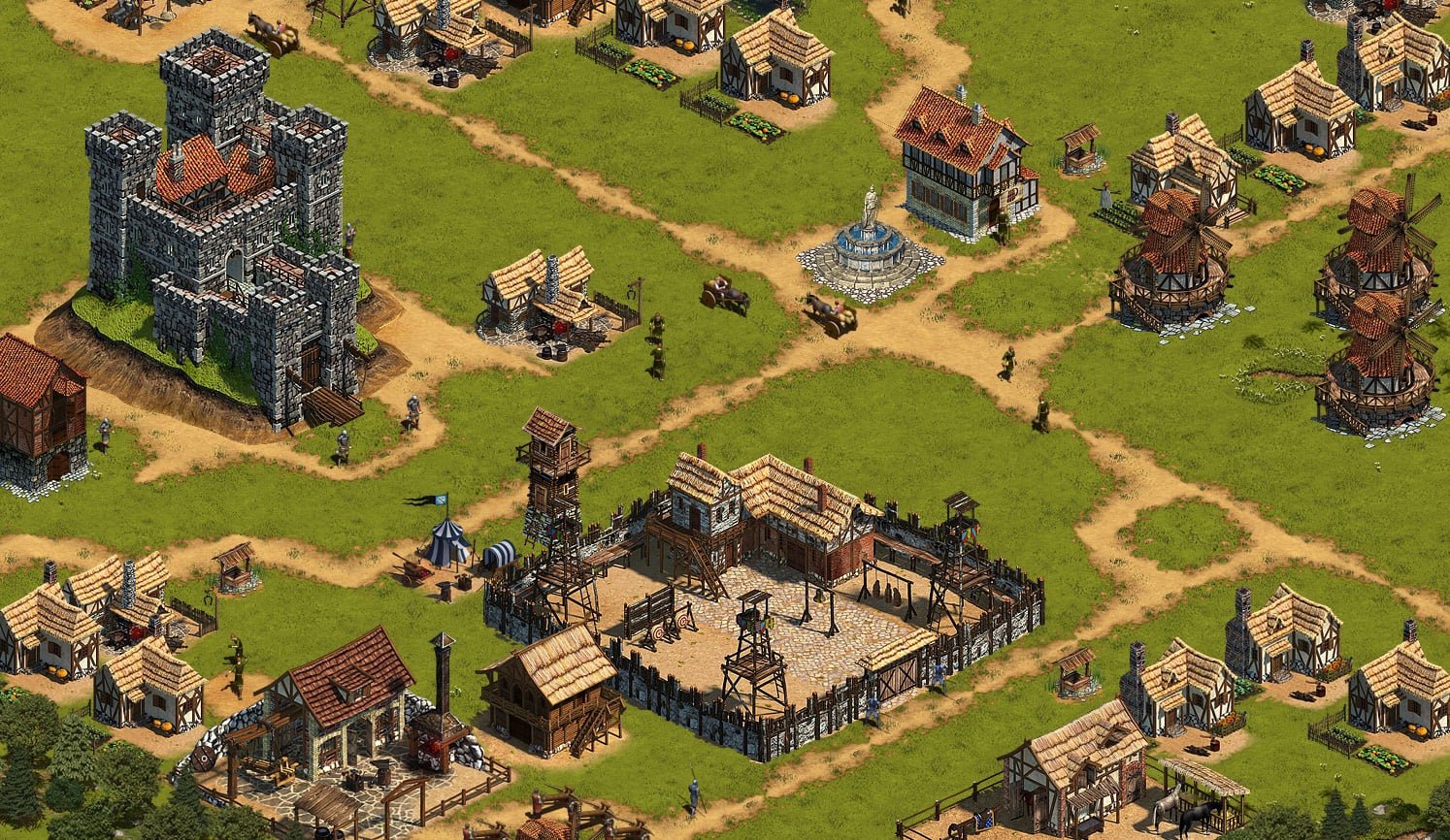
This blog began as a personal archive of ideas formed while exploring different game worlds. Over time, it evolved into a structured space where concepts like character progression and upgrade system design could be compared across genres.
Early notes focused heavily on leveling system patterns and how they affect player retention and challenge scaling. Later, attention shifted toward base building systems and how they connect resource management with long-term planning.
From Brasil, this perspective blends casual play experience with deeper analysis. Today, the project continues to document how character progression, upgrade system structures, leveling system design, and base building mechanics interact across modern games.
Q. 806 Sul Alameda 5, 31 - Arse, Palmas - TO, 77023-070, Brazil